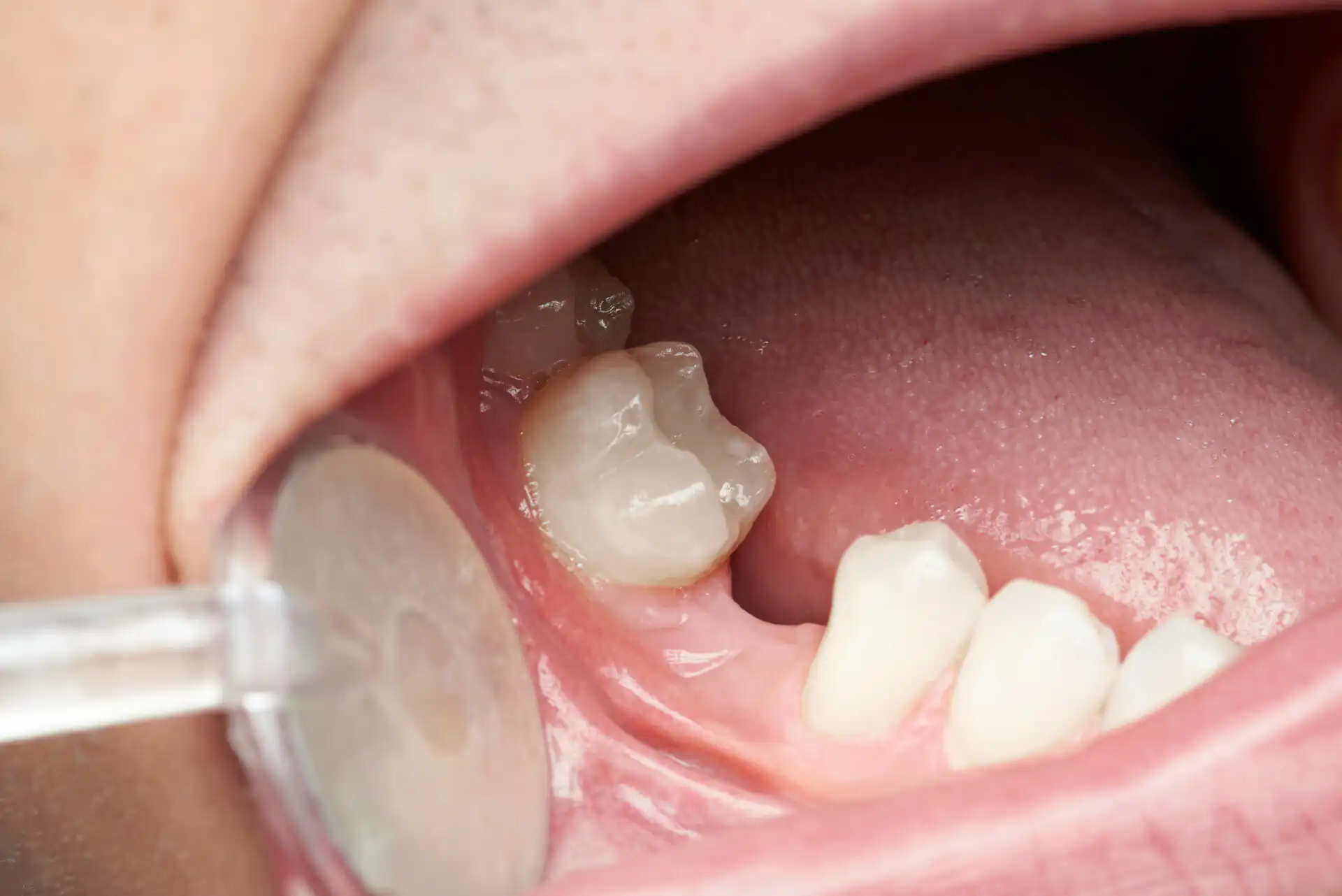
If you feel a sharp pain in your teeth only when drinking something hot or cold, you are not alone. Tooth sensitivity to hot and cold is a very common issue, and while it may seem minor at first, it can sometimes point to a deeper dental problem.
In some cases, the cause is simple, like enamel wear or gum recession. In others, sensitivity can be a warning sign of tooth decay, a cracked tooth, or irritation affecting the nerve inside the tooth. The key is understanding the difference between occasional mild sensitivity and pain that suggests something more serious.
In this guide, we explain the most common causes for sensitive teeth, why tooth pain from hot and cold happens, and when it may be time to visit a dentist in Ottawa.
Why Do Teeth Hurt With Hot or Cold Drinks?
Your teeth are designed to protect the sensitive inner structures underneath. The outer layer, called enamel, acts as a shield. Beneath that is dentin, which contains tiny channels leading toward the inner nerve of the tooth.
When enamel wears down, the root becomes exposed, or decay creates an opening in the tooth, heat and cold can travel more easily into those inner layers. That is what causes the sudden, sharp discomfort many people notice when sipping coffee, tea, ice water, or cold drinks.
This is why tooth sensitivity to hot and cold usually means something has changed in the protective structure of the tooth.
Common Sensitive Teeth Causes
There is no single cause of temperature-related tooth sensitivity. Several dental issues can lead to this type of discomfort.
Enamel Wear
Enamel can gradually wear down over time. This may happen because of acidic foods and drinks, aggressive brushing, teeth grinding, or normal wear over the years. Once enamel becomes thinner, the tooth becomes more vulnerable to temperature changes.
This is one of the most common reasons people experience tooth pain from hot and cold.
Gum Recession
If your gums pull back from the teeth, the root surface may become exposed. Roots do not have the same strong enamel protection as the visible part of the tooth, so they are often much more sensitive.
Gum recession may happen due to brushing too hard, gum disease, grinding, or age-related changes. If the pain seems to happen near the gumline, this may be part of the issue.
Tooth Decay
Cavities can also cause sensitivity. As decay moves through the enamel and gets closer to the inner layers of the tooth, hot and cold temperatures can trigger pain more easily.
If a tooth becomes more sensitive over time, especially in one specific area, decay may be the reason.
Cracked or Chipped Teeth
A cracked or chipped tooth can expose dentin or create a pathway that allows temperature to reach the nerve more directly. In these cases, the pain may feel sudden and sharp, and it may affect only one tooth.
Sometimes the crack is very small and not obvious when you look in the mirror, which is why a dental exam matters.
Teeth Grinding or Clenching
Grinding and clenching places repeated pressure on the teeth. Over time, this can wear down enamel, create small fractures, and increase sensitivity.
If you wake up with jaw tension, headaches, or worn-looking teeth, grinding may be contributing to the problem.
Recent Dental Treatment
Some patients notice temporary sensitivity after a filling, whitening treatment, crown, or deep cleaning. Mild discomfort can be normal for a short time, but if it continues or gets worse, it should be checked.
Enamel Wear vs. Nerve Involvement
One of the most important things to understand is that not all sensitivity means the same thing.
When It May Be More Related to Enamel Wear
If the pain is quick, sharp, and stops almost immediately after the hot or cold drink is gone, the issue may be more related to enamel wear or exposed dentin. This type of sensitivity often affects more than one tooth and may happen on and off.
It still deserves attention, but it does not always mean there is severe internal damage.
When It May Be Related to the Nerve
If the pain lingers after the drink is gone, feels deeper or more intense, or is isolated to one specific tooth, the nerve may be irritated. This can happen when a cavity gets deeper, when a tooth is cracked, or when inflammation inside the tooth is developing.
Heat sensitivity can be especially important here. If hot drinks cause severe pain that lasts, the tooth may need prompt evaluation.
Can Sensitive Teeth Mean You Have a Cavity or Gum Problem?
Yes, sometimes they can.
One of the biggest mistakes people make is assuming that sensitivity is always harmless. While mild sensitivity can happen with exposed dentin or minor enamel wear, ongoing discomfort can also signal:
- a cavity that is getting deeper
- a cracked filling or damaged tooth
- gum recession exposing the root
- gum disease affecting the tissues around the tooth
- irritation or inflammation of the tooth nerve
If your symptoms are getting worse, lasting longer, or affecting one area consistently, it is important not to ignore them.
Signs Your Tooth Sensitivity May Be More Serious
You should be more cautious if you notice any of the following:
Pain That Lingers
If the discomfort continues even after the hot or cold trigger is gone, that may suggest the inner tooth is involved.
One Tooth Hurts More Than the Others
Generalized sensitivity often points to enamel wear or recession. One single tooth that reacts strongly may indicate decay, a crack, or nerve irritation.
Pain When Biting or Chewing
If temperature sensitivity is combined with pressure pain, the tooth may be cracked or structurally weakened.
Gumline Sensitivity With Bleeding or Recession
This may point to gum recession or early gum disease, both of which should be evaluated before the problem gets worse.
How a Dentist Treats Tooth Sensitivity to Hot and Cold
Treatment depends on what is causing the problem.
For milder cases, treatment may include:
- desensitizing toothpaste
- fluoride applications
- bonding to cover exposed areas
- changes to the brushing technique
- a night guard for grinding
If the issue is caused by a cavity, the tooth may need a filling. If the nerve is affected, root canal treatment may be necessary to save the tooth and eliminate pain. If a crack or chip is the cause, bonding or a crown may be recommended.
The most important step is identifying the real cause. Sensitivity is a symptom, not a final diagnosis.
What You Can Do at Home
If your symptoms are mild, there are a few things you can do to reduce discomfort and protect your teeth:
- Use a soft-bristled toothbrush
- Avoid brushing too hard
- Choose a toothpaste for sensitive teeth
- Reduce acidic drinks and foods when possible
- Rinse with water after acidic beverages
- Avoid very hot and very cold foods for a few days if the teeth are already irritated
- Mention any clenching or grinding habits at your dental visit
These steps can help, but they are not a substitute for treatment if the problem is caused by decay, damage, or gum disease.
When to See a Dentist for Sensitive Teeth
You should schedule a dental visit if:
- Your tooth sensitivity lasts more than a few days
- The pain is getting worse
- One tooth hurts much more than the others
- Hot drinks trigger lingering pain
- You notice visible damage, gum recession, or bleeding
- Sensitivity is interfering with eating or drinking normally
Catching the problem early can make treatment simpler and more comfortable.
Don’t Ignore Tooth Pain From Hot or Cold
Sensitive teeth are common, but that does not mean they should always be ignored. Sometimes the cause is manageable and straightforward. Other times, sensitivity is your first warning sign that a tooth needs attention before the problem becomes more serious.
If you are experiencing tooth sensitivity to hot and cold, the best next step is to find out why. A proper dental exam can help determine whether the issue is related to enamel wear, gum recession, tooth decay, or nerve involvement, so you can get the right treatment and avoid more discomfort later.
FAQ About Tooth Sensitivity to Hot and Cold
Why do my teeth hurt when I drink cold water?
Cold water can trigger pain when enamel is worn down, the roots are exposed, or a cavity allows the temperature to reach the inner layers of the tooth more easily.
Is tooth sensitivity always caused by a cavity?
No. While cavities can cause sensitivity, other common causes include enamel erosion, gum recession, teeth grinding, and cracked teeth.
Why are my teeth sensitive to hot drinks but not cold?
Heat sensitivity can sometimes suggest deeper irritation inside the tooth, especially if the pain lingers. It is a good idea to have that checked by a dentist.
Can sensitive teeth go away on their own?
Mild sensitivity may improve with desensitizing toothpaste and better oral care, but if the cause is decay, damage, or gum problems, professional treatment is usually needed.
When should I worry about tooth sensitivity?
You should be concerned if the pain is getting worse, lasts after eating or drinking, affects one tooth only, or is combined with swelling, bleeding gums, or pain when chewing.
Schedule an Appointment for Sensitive Teeth in Ottawa
If hot or cold drinks are causing tooth pain, do not wait for the discomfort to become more severe. The sooner the cause is identified, the easier it is to protect your tooth and prevent the issue from progressing.
If you are dealing with sensitive teeth in Ottawa, schedule an appointment with Ottawa Downtown Dentist to find out what is causing the pain and what treatment options can help you feel comfortable again.